

 Niti Post
|
-
November 16, 2022
Niti Post
|
-
November 16, 2022
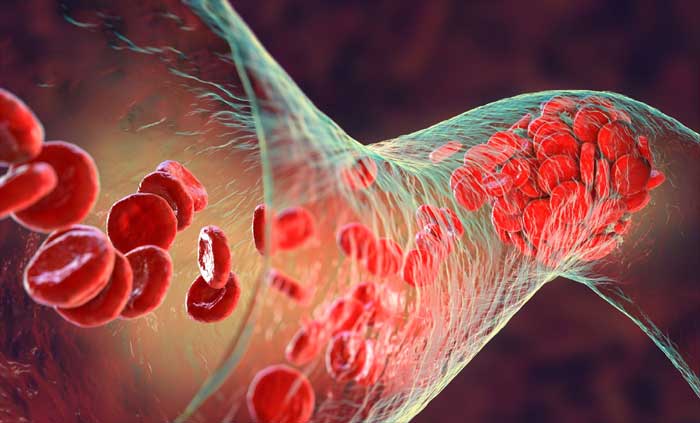
In what could be a revolution for the treatment of people suffering from blood disorders, researchers from the University of Cambridge, UK conducted a trial of lab-grown red blood cell transfusion into humans.
This is the first time in the world that laboratory-grown red blood cells have been given to another person as part of a trial into blood transfusion. Grown from stem cells from donors, these manufactured red cells were transfused into volunteers in the RESTORE randomised controlled clinical trial being undertaken by the researchers of the University.
For people with Blood Disorders, it is difficult to find enough well-matched donated blood during treatments. This trial, if proved safe and effective, could revolutionise treatments for people with blood disorders such as sickle cell and rare blood types.
What are the complications associated with frequent Blood Transfusions?
In cases when the donor blood is not a proper match with the blood type of the patient, they may suffer an acute immune hemolytic reaction which is a very serious but rare occurrence. This kind of reaction can cause mild symptoms like nausea, fever, chills, chest and lower back pain, and dark urine, but if serious can also damage kidneys or become life-threatening.
“Patients who need regular or intermittent blood transfusions may result develop antibodies against minor blood groups which makes it harder to find donor blood which can be transfused without the risk of a potentially life-threatening reaction,” says Dr Farrukh Shah, Medical Director of Transfusion for NHS Blood and Transplant. (Source: Research Overview by University of Cambridge)
Lab-grown Red Blood Cells under RESTORE Trial
Elaborating on this development, Cedric Ghevaert, Chief Investigator Professor, Professor in Transfusion Medicine and Consultant Haematologist at the University of Cambridge said that “We hope our lab-grown red blood cells will last longer than those that come from blood donors.”
When successful, the lab-grown red blood cell transfusion will aid patients who require regular long-term blood transfusions with fewer transfusions in future, thereby, helping transform their care.
What is RESTORE trial?
It is a joint research initiative by NHS Blood and Transplant and the University of Bristol, both working together with the University of Cambridge. In this trial, the researchers are studying the lifespan of the lab-grown cells compared with infusions of standard red blood cells from the same donor.
Since the lab-grown blood cells are all fresh, the team conducting this trial expects them to perform better than a similar transfusion of standard donated red cells, which contain cells of varying ages.
The study says if manufactured cells can last longer in the body, patients who regularly need blood may not need transfusions as often.
People who undergo regular blood transfusions also have to worry about the amount of iron being built up in their body from all those donated red blood cells, if went wrong this can cause organ damage. Lab-grown red blood cells can reduce iron overload from frequent blood transfusions, preventing subsequent serious complications.
This research will be instrumental in developing a mechanism for the manufacture of red blood cells that can safely be used to transfuse people with blood disorders like sickle cell.
How far has the trial come? What’s Next?
Two people, transfused with the lab-grown red cells, were closely monitored and no untoward side effects have been reported during the trial. The identities of participants infused so far are not currently being released, to help keep the trial ‘blinded’ – says a release issued by NHS Blood & Transplant.
The patients were infused with 5-10mls (about one to two teaspoons) of lab-grown cells. Donors, recruited from NHSBT’s blood donor base, donated blood for the trial wherein stem cells were separated out from their blood. Later, these stem cells were then grown to produce red blood cells in a laboratory at NHS Blood and Transplant’s Advanced Therapies Unit in Bristol.
Next Up! In a separate period of 4 months, around 10 participants will receive two mini transfusions. They will be infused with one of the standard donated red cells and one of the lab-grown red cells, to find out if the young red blood cells made in the laboratory last longer than cells made in the body.
Moreover, further trials are still needed before the clinical use of these lab-grown red blood cells.
The research offers real hope for those difficult-to-transfuse sickle cell patients who have developed antibodies against most donor blood types. “However, the NHS still needs 250 blood donations every day to treat people with sickle cell and the figure is rising,” says John James OBE, Chief Executive of the Sickle Cell Society. (Reference)
The Study needs to develop more along the lines of – Production Capacity, Cost, and the possible effectiveness to treat “blood disorder” in future.




Related Items
China faces blood donation crisis amid collapsing public trust
Govt targets to establish 1 blood centre in every district by Dec 2026