

 Niti Post
|
-
March 28, 2023
Niti Post
|
-
March 28, 2023
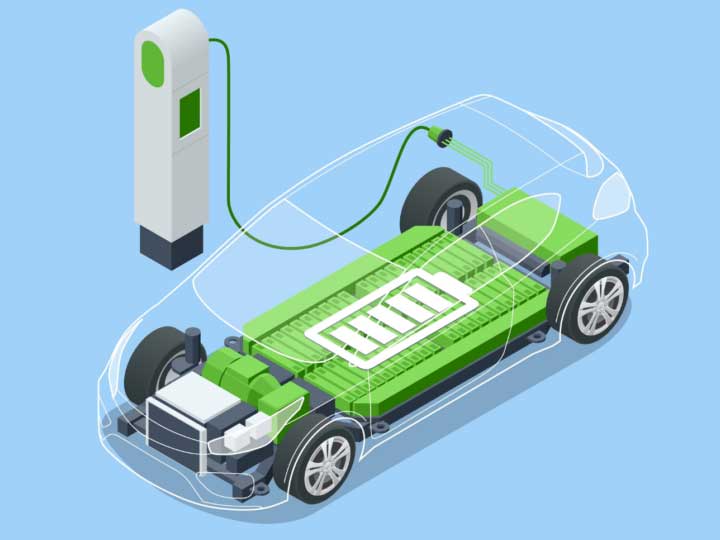
The Indian government has launched three schemes to promote the production and adoption of electric and hybrid vehicles in the country. The schemes aim to reduce dependence on fossil fuels and address issues of vehicular emissions. In addition, several steps have been taken by the government to further promote the adoption of electric vehicles.
Scheme 1: Faster Adoption and Manufacturing of Electric Vehicles in India Phase II (FAME India Phase II)
The FAME India Phase II scheme has a budgetary outlay of Rs. 10,000 crore and runs for a period of five years, commencing from 1st April 2019. The scheme provides subsidies to electric and hybrid vehicles used in public transportation or for commercial use. Privately-owned electric two-wheelers (e-2W) are also eligible for subsidies.
The FAME II scheme supports 7,090 e-Buses, 5 lakh e-3 Wheelers, 55,000 e-4 Wheeler Passenger Cars (including Strong Hybrid) and 10 lakh e-2 Wheelers. The scheme seeks to promote hybrid/electric technology in transportation and reduce dependency on fossil fuels.
Scheme 2: Production Linked Incentive (PLI) Scheme for Automobile and Auto Component Industry
The PLI Scheme for Automobile and Auto Component Industry provides financial incentives to boost domestic manufacturing of Advanced Automotive Technology products including electric vehicles and their components. The scheme has a budgetary outlay of ₹ 25,938 crore and provides incentives up to 18% of eligible sales of electric vehicles and their components.
Scheme 3: Production Linked Incentive (PLI) Scheme for Advanced Chemistry Cell (ACC)
The government has approved the PLI Scheme for manufacturing of ACC in the country with a budgetary outlay of ₹ 18,100 crore. The scheme incentivizes the establishment of Giga scale ACC manufacturing facilities in the country for 50 Giga Watt hour (GWh). These ACCs will be used in batteries which are aimed to promote the widespread adoption of EVs.
Steps taken to promote the adoption of electric vehicles
The government has taken several steps to promote the adoption of electric vehicles in the country. The demand incentive for electric two-wheelers has been increased from Rs.10,000/KWh to Rs.15,000/KWh. The cap has also been increased from 20% to 40% of the cost of electric vehicles, bringing the cost of electric two-wheelers at par with that of Internal Combustion Engines (ICE) two-wheeler vehicles.
GST on electric vehicles has been reduced from 12% to 5%, while GST on chargers/charging stations for electric vehicles has been reduced from 18% to 5%. The Ministry of Road Transport and Highways (MoRTH) has announced that battery-operated vehicles will be given green license plates and be exempted from permit requirements for carrying passengers or goods.
Furthermore, MoRTH has issued a notification advising states to waive road tax on EVs, which will help reduce the initial cost of EVs.
The Indian government has taken several steps to promote the production and adoption of electric and hybrid vehicles in the country. The schemes launched by the government aim to reduce the dependence on fossil fuels and address issues of vehicular emissions.




Related Items
Govt notifies guidelines for electric passenger vehicle manufacturing scheme
Centre notifies new rules for radar devices to measure speed of vehicles
EV industry may generate 5 million employment opportunities